
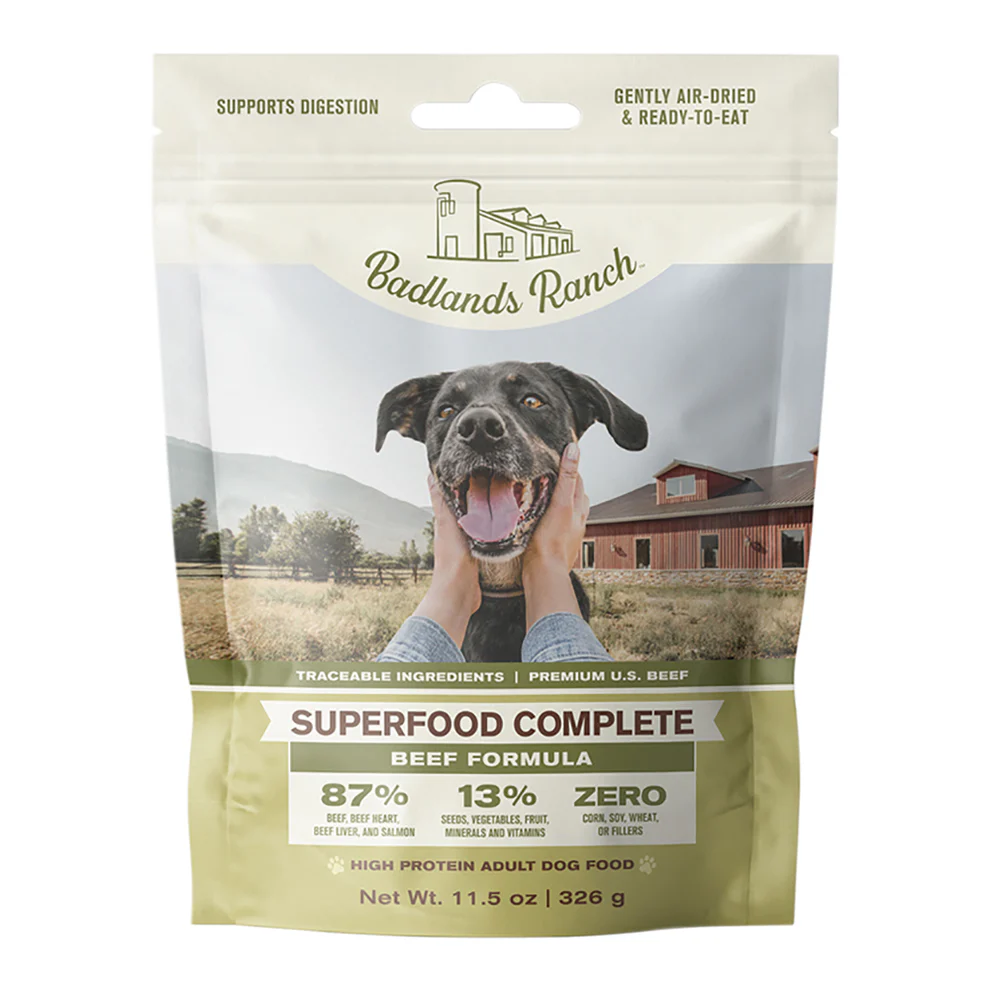
Pet parents want one thing above all else, to keep their dogs healthy, active, and happy every single day. And the food you choose plays a much bigger role in that than many people realize. With hundreds of formulas labeled as the best dog food, it’s easy to get confused. High-protein, grain-free, chicken-based, salmon-based, budget-friendly, sensitive stomach…the choices feel endless.
But here’s the good news: choosing the proper diet becomes much easier when you understand what your dog actually needs and how to read dog food labels correctly. This guide walks you through everything in a simple way: nutritional basics, ingredient breakdowns, real-life scenarios, and how to find quality yet affordable dog food without compromising your pet’s health.
What “Best Dog Food” Really Means for Everyday Pet Parents?
There is no universal “best.” A diet becomes the best dog food only when it matches your dog’s:
- Age (puppy, adult, senior)
- Size (small breed, medium, large breed)
- Activity level (couch potato vs. super active)
- Health needs (skin issues, allergies, sensitive stomach, weight concerns)
For example:
- A Labrador that runs daily may need a higher-protein diet.
- A Shih Tzu may prefer smaller kibble size and gentler formulas.
- A senior dog may benefit from joint-supporting ingredients.
This is why choosing food based solely on trends or packaging claims rarely works. Look at your dog’s lifestyle first.
What Every Good Dog Food Should Include?
Even with different life stages and breed needs, high-quality dog foods share the same essential elements:
-
Real Protein First
The first ingredient should be a clear, named protein source such as chicken, turkey, lamb, salmon, beef.
-
Whole Ingredients You Recognize
Look for:
- Brown rice
- Oatmeal
- Sweet potato
- Lentils
- Fish meal
Avoid vague fillers like meat by-products or animal digest.
-
Balanced Nutrition
A well-rounded formula includes:
- Protein
- Healthy fats
- Carbohydrates
- Vitamins & minerals
- Omega fatty acids
- Fiber
Balanced diets improve digestion, coat quality, and immune strength.
-
No Unnecessary Additives
Artificial colors, added sugars, and low-quality preservatives can cause long-term issues.
Dry vs Wet Food: How to Choose?
Dry Food (Kibble) Benefits
- More affordable dog food option
- Supports dental health
- Longer shelf life
- Convenient for multi-dog households
Wet Food (Canned) Benefits
- Higher moisture for hydration
- Great for picky eaters
- Softer for seniors or dental issues
- More aromatic, tastier for many dogs
Most pet parents prefer mixing both dry for structure and wet for flavor and hydration.
5 Signs You’re Feeding the Right Dog Food
A good diet shows results quickly:
- Healthy stool consistency: Firm, brown, compact stools reflect good digestion.
- Shiny coat + healthy skin: Omega fatty acids improve softness and reduce shedding.
- High energy levels: A well-fed dog stays active without being hyper.
- No gas, bloating, or vomiting: Comfortable digestion means the food suits your dog.
- Controlled weight: The right formula keeps dogs fit, not overweight.
If these signs are missing, switching formulas may help.
How to Choose Affordable Dog Food That Still Delivers Quality
You don’t need the most expensive formula to feed your dog well. Here’s a clear, practical checklist to stay within budget while still choosing healthy options:
-
Start with a protein that fits your budget
Chicken and turkey formulas are often more affordable than salmon, lamb, or exotic meats.
-
Buy the right bag size
Medium bags often offer the best price-per-pound — not too small, not too large.
-
Compare guaranteed analysis, not marketing labels
Look for protein, fat, fiber, and moisture percentages rather than buzzwords.
-
Choose brands with transparent ingredient lists
Affordable dog food can still offer clarity and high-quality sourcing.
-
Avoid paying extra for unnecessary “premium words”
Terms like “holistic” or “superfood blend” don’t always mean better nutrition.
Quality doesn’t always come with a high price tag. To explore dependable options across budgets, check the collection of dog food.
When to Consider Switching Dog Food?
A change may be needed if your dog shows:
- Excessive itching
- Hot spots
- Chronic diarrhea
- Low energy
- Sudden pickiness
- Weight gain or weight loss
- Dull coat
If symptoms persist, check with a vet before switching.
Final Thoughts: The Best Dog Food Is the One That Works for Your Dog
Forget trends. Forget packaging claims. The best dog food is the one that keeps your dog healthy, active, and thriving. Whether you prefer premium formulas or affordable dog food, what matters is nutritional balance, digestibility, and consistency.
If you want to explore trusted options across flavors, diets, and budgets, Kwik Pets offers a well-curated collection of affordable dog food suitable for all breeds and life stages.
Choose wisely, observe your dog’s response, and adjust gradually. Your dog’s body will tell you what works best.
